

Cinderella Varna International Ballet
Varna International Ballet delivers a production where kindness, hope, and love lead somewhere worth going, all wrapped up in a formal classical approach.
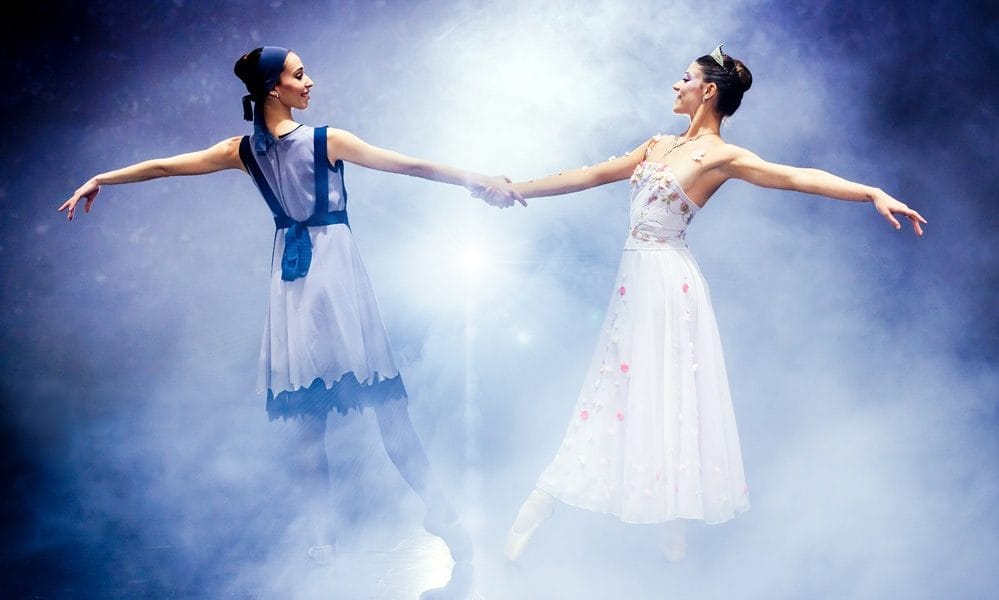
There's something queer about transformation narratives, a yearning to become included, knowing you're different, the glorious moment when external reality catches up, even if that's via a friendly magical Godmother danced with electrifying grace by Pauline Faget. Varna International Ballet's new production of Cinderella, choreographed by Sergey Bobrov, understands this .
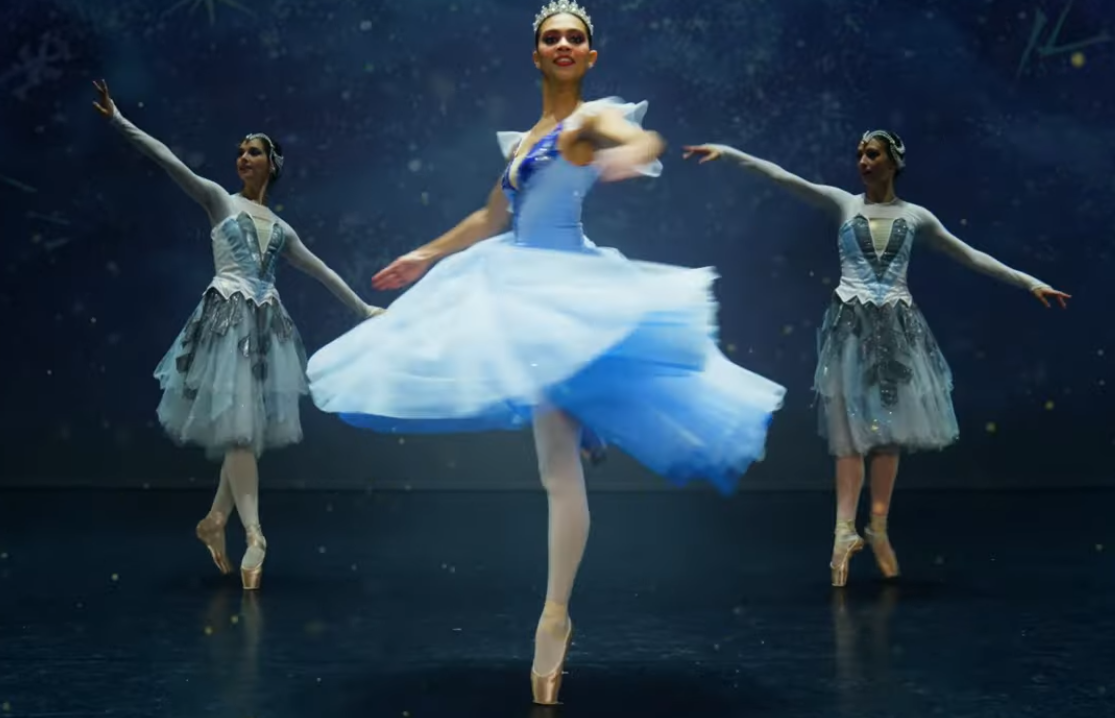
Since 1947, this Bulgarian company has cultivated a reputation for technical brilliance. Artistic Director Daniela Dimova's ensemble offers audiences something familiar and exciting. This touring production has a simple set, digital projections suggest spatial shifts without overwhelming. The corps de ballet moves with synchronicity, particularly during the enchantment sequences where their collective precision reads as magic in action. Prokofiev's magnificent score, rendered with vitality by the orchestra under Music Director Azat Maxutov, provides the emotional architecture, the oboe and harp offering beautifully resonant musical foundation. The orchestra giving real contrast between the beautiful, sweeping melodies and dissonant, "spiky" harmonies. Prokofiev mixed traditional Tchaikovsky-style waltzes with harsh orchestration, reflecting the 1940's wartime Russia that he was writing in.
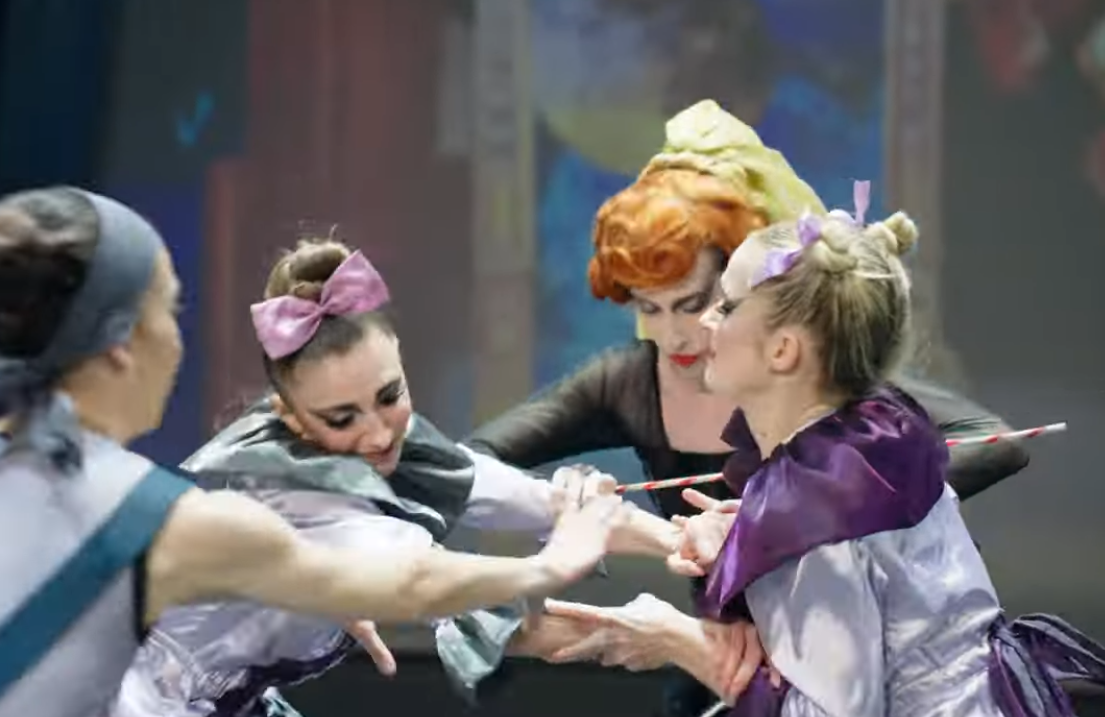
The stepmother Roberta Pereira, and stepsisters Agnese Di Dio Masa & Alba Barrasa are a delightfully venomous trio and offer more than comic relief, although my companion was delighted by them, laughing along with their physical bickering, the harsh brass and woodwinds from the pit highlighting their absurdity. Their exaggerated movements, their desperate performance of conventional femininity, their bitter exclusion of Cinders: I read as commentary on normative gender performance and its cruelties. The sisters embody the pressure of impossible beauty standards with both humour and genuine pathos. Not sure this is what Varna was aiming for, but a queer lens offers curious insights.
The principal dancers navigate the central relationship with emotional intelligence, their duets possessing dramatic weight. The initial duet between Andrea Confortia as Cinderella and Timofei Fedotov's Prince was thrilling, underpinned with lush, romantic melodies in the strings echoing their elegant physical connection. The palace ball sequences, costumed with colourful medieval grandeur, share fun and flirtation where status can be performed, tested, and ultimately claimed, or rejected as the poor sisters discover.
Varna International Ballet has created a visually elegant, musically rich experience that honours classical tradition while remaining genuinely accessible. The technical excellence of these dancers; controlled, precise, expressive, serves the narrative's emotional truth.
Cinderella, and transformation stories have always belonged to us. Every LGBTQ person knows about living in the wrong clothes, waiting for magic that will make the world see who we've always been. We recognize Fairy Godmother archetypes. We know about midnight deadlines and the courage required to claim joy despite systems designed to deny it.
Varna International Ballet delivers a production where kindness, hope, and love lead somewhere worth going—not just "happily ever after," but toward authentic selfhood, all wrapped up in a formal classical approach. That, ultimately, is the most radical magic of all.
They are presenting Swan Lake, twice on Saturday 31st Jan 2026 at the Theatre Royal Brighton. Tickets here:
Support independent LGBTQ+ journalism
Scene was founded in Brighton in 1993, at a time when news stories about Pride protests were considered radical. Since then, Scene has remained proudly independent, building a platform for queer voices. Every subscription helps us to report on the stories that matter to LGBTQ+ people across the UK and beyond.
Your support funds our journalists and contributes to Pride Community Foundation’s grant-making and policy work.
Subscribe today

Comments ()