

BOOK REVIEW: 'To the Moon and Back' by Eliana Ramage
Ramage is a writer of genuine power; one with an ear for voice, an eye for the small devastating detail, and a deep commitment to the full complexity of her characters' inner lives.
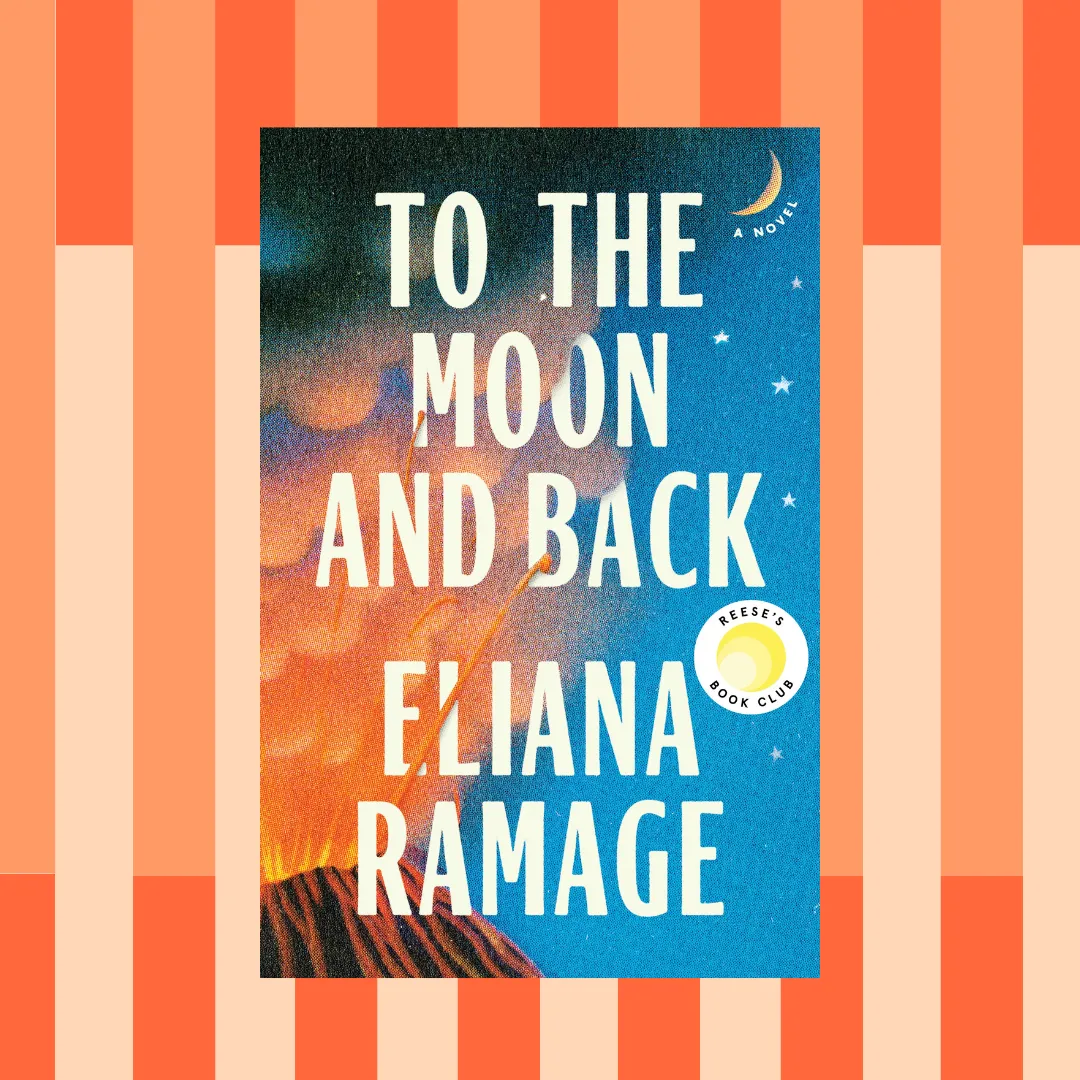
Eliana Ramage's first book is a multigenerational saga centred on Steph, a young Cherokee woman whose eyes have been fixed on the stars since childhood, and whose journey toward becoming the first Cherokee astronaut is inseparable from the messier, earthier work of figuring out who she is and where she belongs.
At its core, the book is a family story, and what a complicated, bruised, tender family it is. Ramage gives us three generations of Cherokee women, the novel's strength lies in how honestly it renders the friction between them. Love here is not soft or uncomplicated; it is braided with resentment, silence, cultural distance, and the particular exhaustion of being misunderstood by people who should know you best. Steph and her mother push and pull against each other with a force that feels true, compromise, when it comes, is hard-won, and Ramage never pretends otherwise. This book understands that families are not simply units of comfort but battlegrounds where identity is forged and sometimes broken.
Apart from the love story at its heart, the novels queer resonance is the larger question it refuses to put down: what does family even mean, when the script was never written for you? Ramage explores this with real depth, with single parents, chosen kin, queer family-building, the inherited silence around what your life could look like when nobody hands you a map. For queer readers, and especially for queer readers of colour, there is something quietly radical in watching Steph move through a world that was not designed for her and claim her place in it anyway. The question of who gets to belong, to a family, a heritage, a future is the narrative pulse.

Ramage also deserves credit for holding space for grief and absurdity in her treatment of Indigenous experience. The institutional and personal violence visited upon her characters is rendered with unflinching honesty, yet the novel does not flatten these moments into tragedy alone. There is humour here, sharp, necessary, defiant, and it sits alongside the sorrow without diminishing it.
In later chapters the book takes some risks, capturing the fragmented, public-facing self that modern life demands we construct: using texts, info from dating app's, posts from social media and other digital snippets we all share ourselves in, to flesh out the narrative.
The novel's considerable energy does dissipate somewhat in its middle sections. The narrative momentum that crackles in the early chapters - Steph as a child, dazzled by the cosmos; Steph in college, ferociously focused - softens into something less propulsive as the story progresses. Still, To the Moon and Back is a remarkable achievement. Ramage is a writer of genuine power; one with an ear for voice, an eye for the small devastating detail, and a deep commitment to the full complexity of her characters' inner lives.
For readers hungry for queer stories that are also stories about heritage, ambition, and the lifelong negotiation of loving people who do not always understand you, this one is very much worth the journey.
Hardback £18.99
Out 18th March, for more info or to order see the UK publishers website.

Support independent LGBTQ+ journalism
Scene was founded in Brighton in 1993, at a time when news stories about Pride protests were considered radical. Since then, Scene has remained proudly independent, building a platform for queer voices. Every subscription helps us to report on the stories that matter to LGBTQ+ people across the UK and beyond.
Your support funds our journalists and contributes to Pride Community Foundation’s grant-making and policy work.
Subscribe today
Comments ()