

BFI Flare 2026: An opening night worth celebrating
Filmmakers carried themselves with assurance that suggests they're not making work despite the cultural climate, but in full, clear-eyed conversation with it.
Hello cinema lovers. Tuesday, 17 February brought cold winds to the South Bank, but inside the BFI, the warmth was unmistakable. I joined BFI Flare's LGBT+ Film Festival team as they launched its 40th edition with an opening party that felt like a genuine homecoming, with a room full of people who understand why this festival matters.
Flare Festival programmers hosted with evident care and enthusiasm, sharing their personal highlights from the wide filmatic offers this year, all anchored by a dedicated team. Forty years is no small milestone. Flare has long been one of the few spaces where queer film isn't positioned as niche or supplementary, but centred. In a cultural landscape where LGBTQ+ representation still too often means a single character coded rather than claimed, that matters enormously.
The evening's standout element was a showcase of shorts from emerging queer filmmakers, and if the programme's opening night is anything to go by, 2026 is shaping up to be a genuinely strong year. Three titles in caught my eye last night. Notice Me, a sapphic rom-com, signals a welcome shift toward joyful, lesbian storytelling that doesn't require tragedy as a condition of visibility.
Fish and Chips takes a more grounded approach, centring a mixed-heritage couple navigating a drama that wears its intersectionality with confidence. And Out Laws - a powerful portrait of a Namibian man's fight for gay rights - arrives as a timely reminder that queer liberation is a global, ongoing struggle, not a Western narrative with a tidy resolution.
The feature programme is equally compelling. Parting Glances and Watermelon Woman return as queer classics that reward revisiting, the former a landmark of 1980s New York gay life, the latter a foundational text for Black lesbian cinema whose influence continues to ripple forward. Their presence in the programme isn't nostalgia; it's the curatorial argument that queer film history be held alongside contemporary work.
Among the new features, We Are Pat is a documentary exploring a groundbreaking trans comedy character. On the Sea focuses on a sexually charged gay romance in a moody north Wales. And Divine Dissidence documents the San Francisco Sisters of Perpetual Indulgence, which arrives at a moment when the Sisters' visibility has become newly, absurdly contested, making the film feel like a necessary witness.
What the opening night communicated most clearly, though, was momentum. The emerging filmmakers on display carried themselves with the kind of assurance that suggests they're not making work despite the cultural climate, but in full, clear-eyed conversation with it. That confidence - political, artistic, communal - is precisely what Flare has spent four decades cultivating.
See the full line up of films and events on the BFI website. I'll be reviewing some of the highlights over the next few weeks.
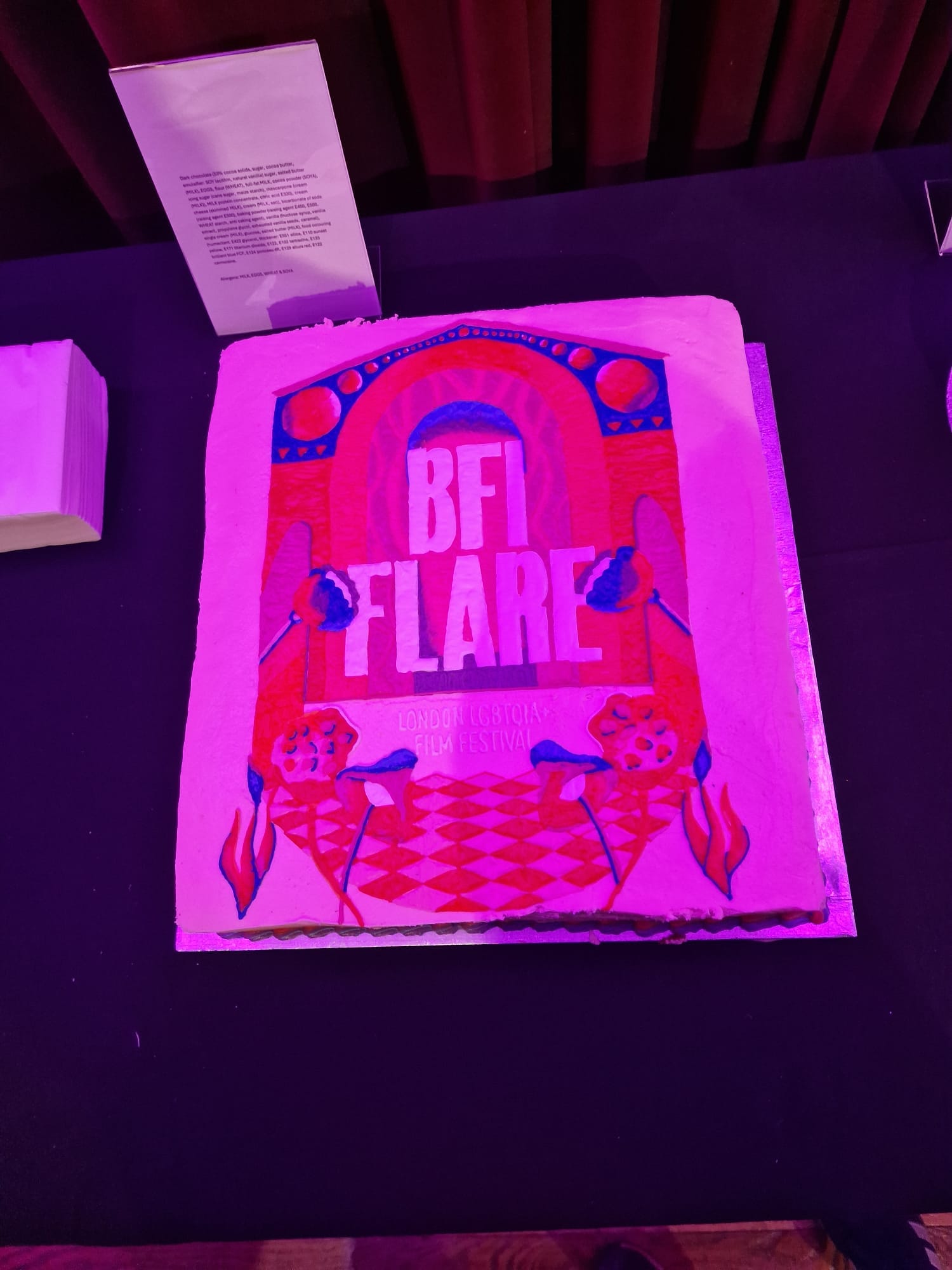
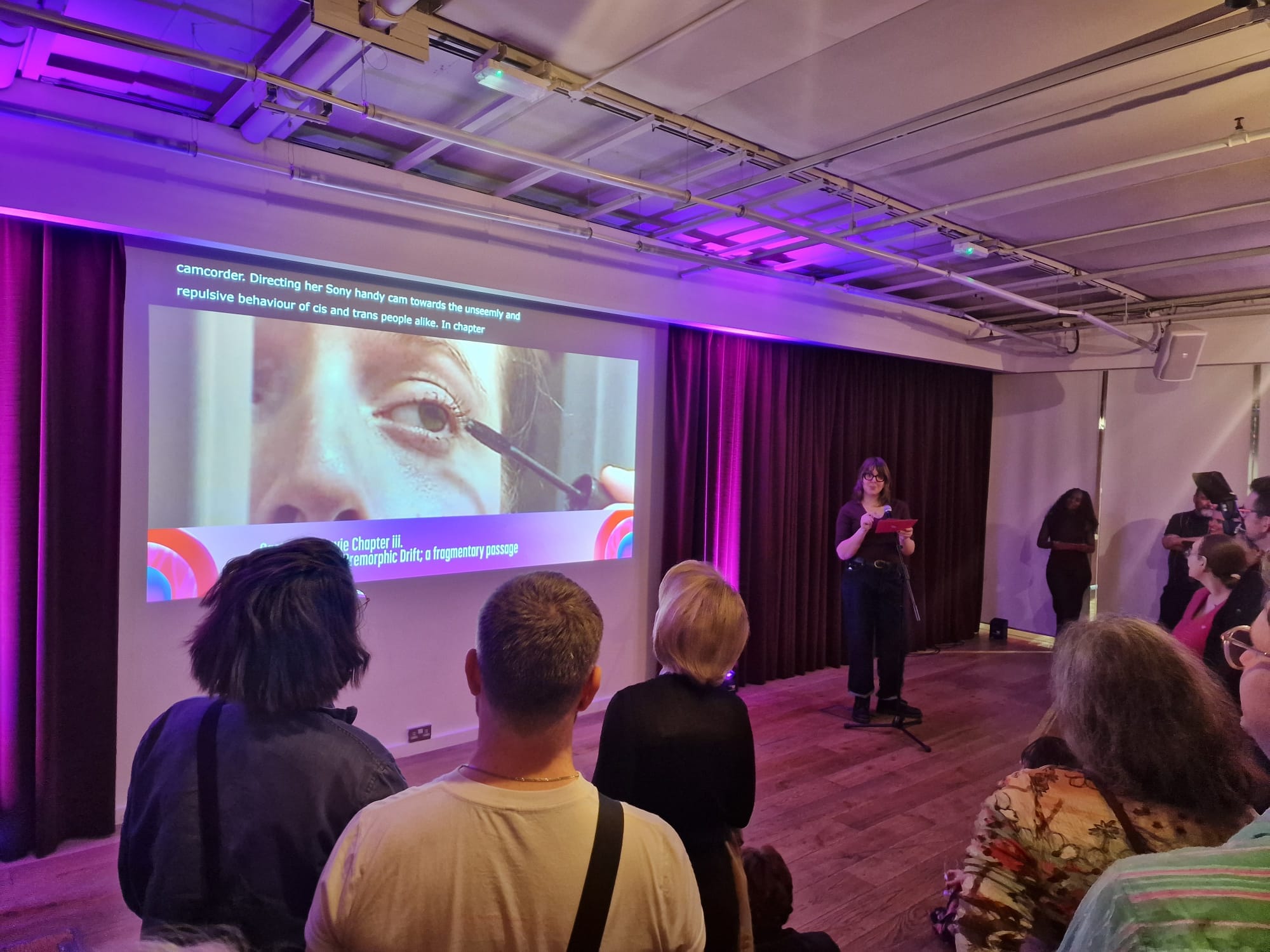
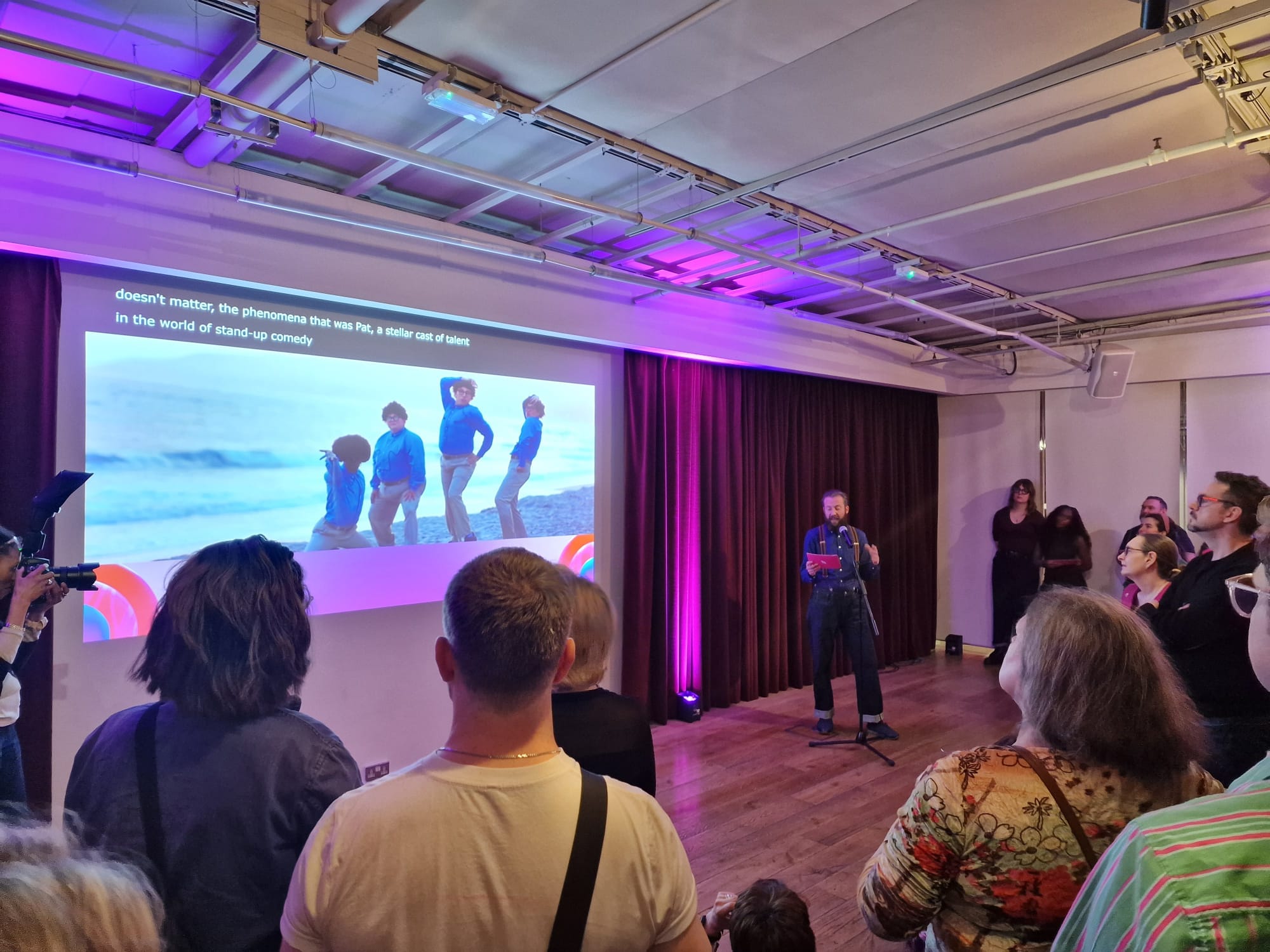
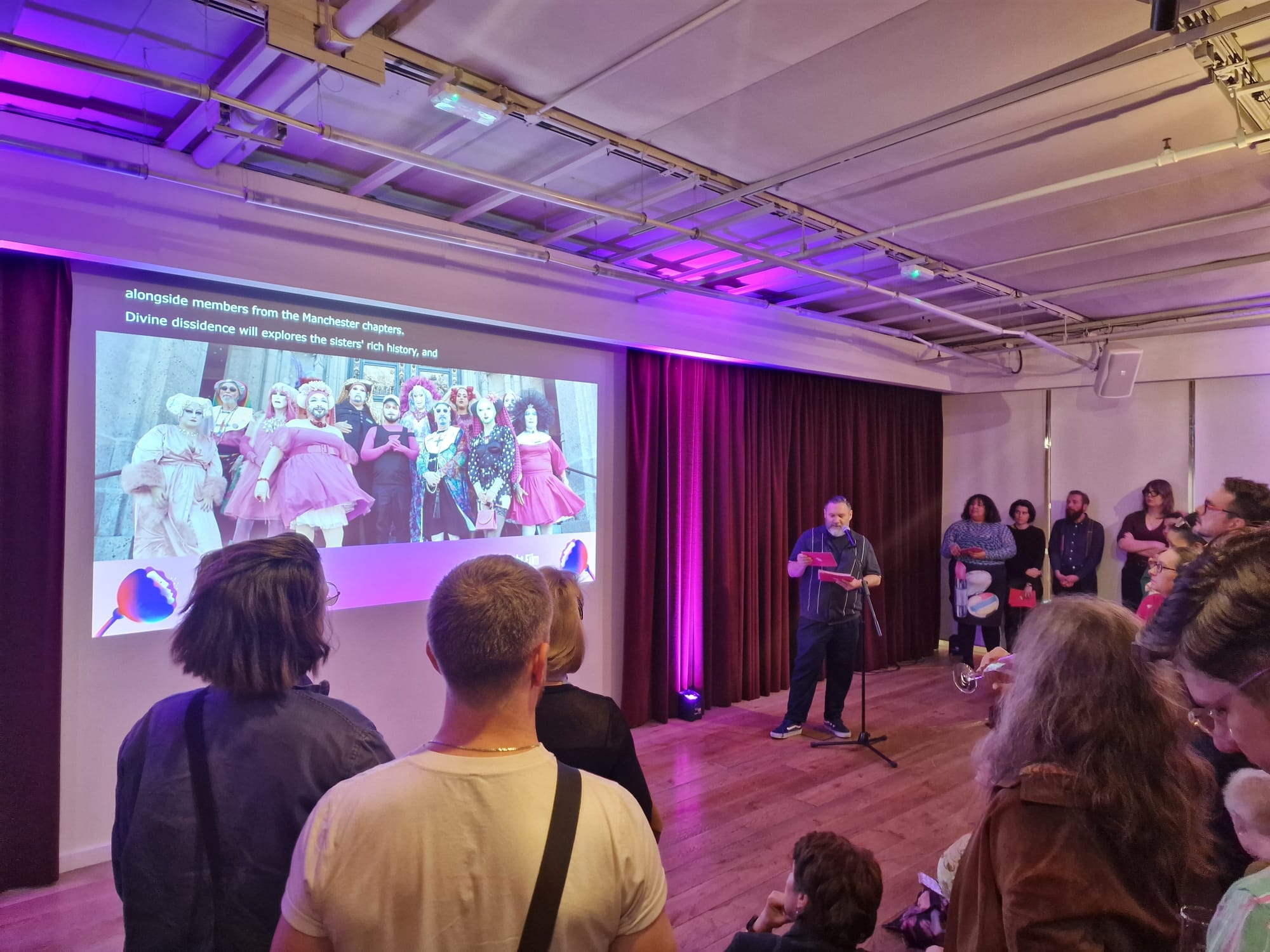
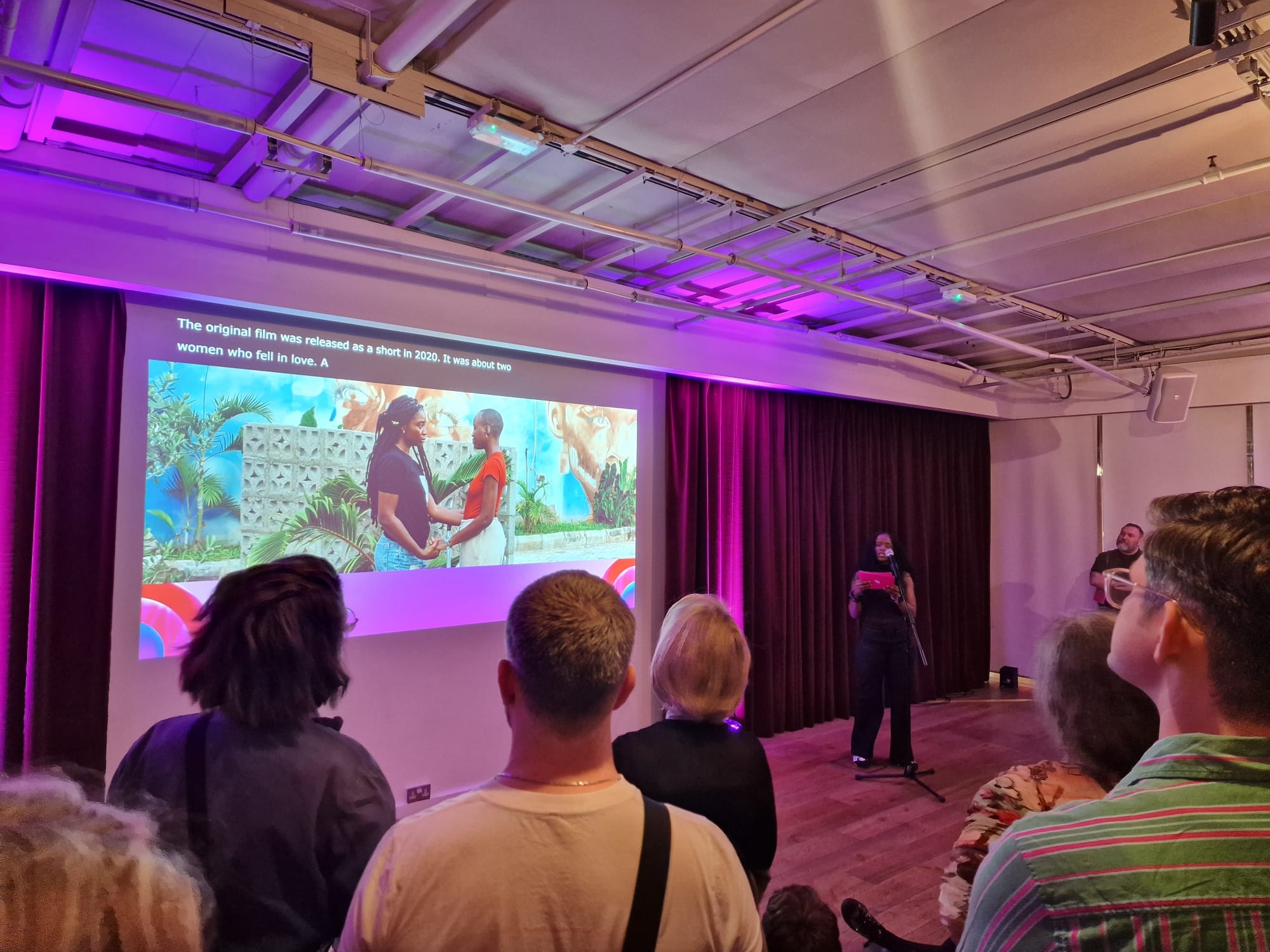
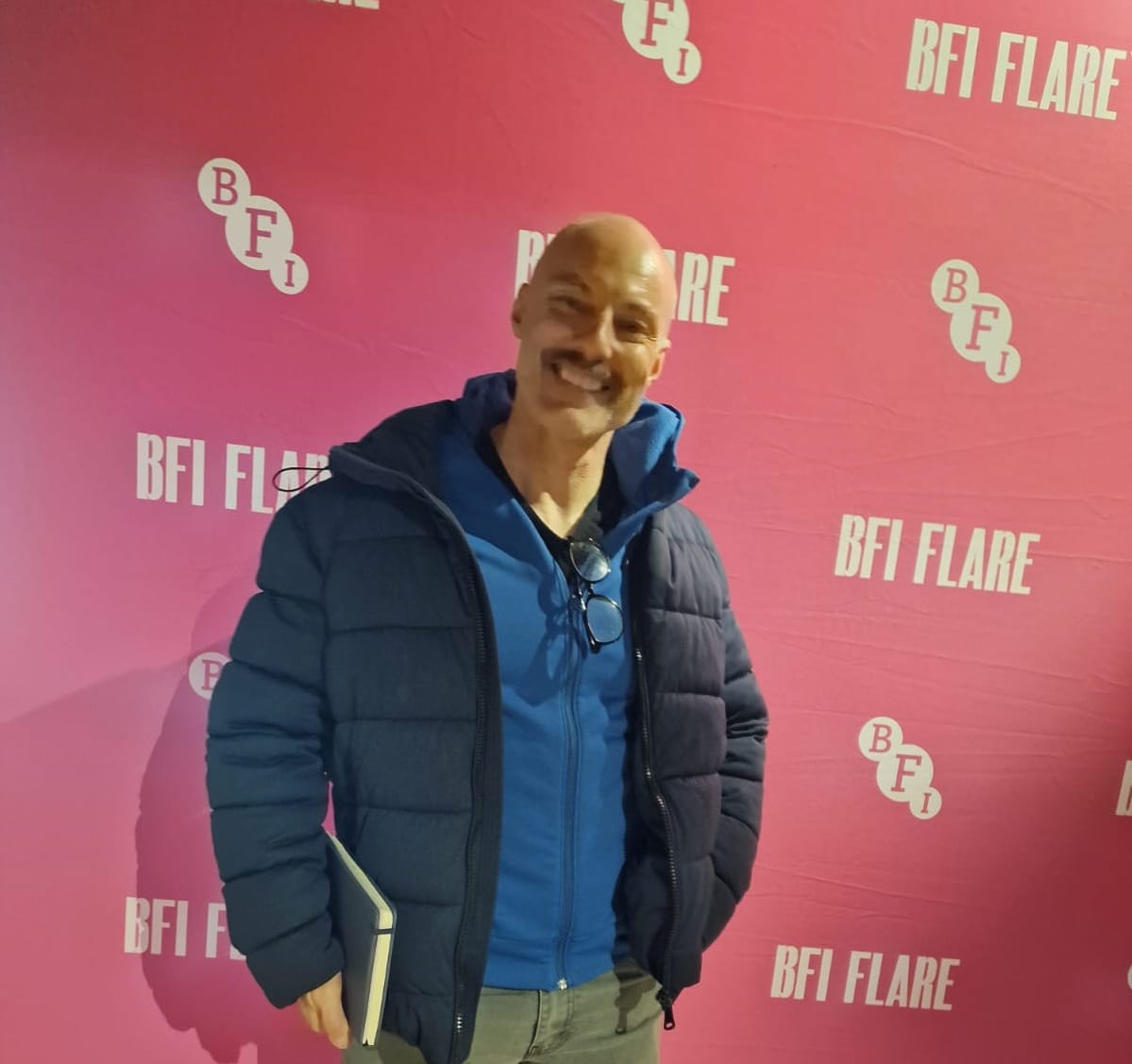
BFi Flare lunch event 40th anniversary of LGBTQ film festival
Support independent LGBTQ+ journalism
Scene was founded in Brighton in 1993, at a time when news stories about Pride protests were considered radical. Since then, Scene has remained proudly independent, building a platform for queer voices. Every subscription helps us to report on the stories that matter to LGBTQ+ people across the UK and beyond.
Your support funds our journalists and contributes to Pride Community Foundation’s grant-making and policy work.
Subscribe today
Comments ()