

Advocates warn against anti-trans bills in the US
ACLU and the Human Rights Campaign have warned against the high number of anti-trans bills in the US.
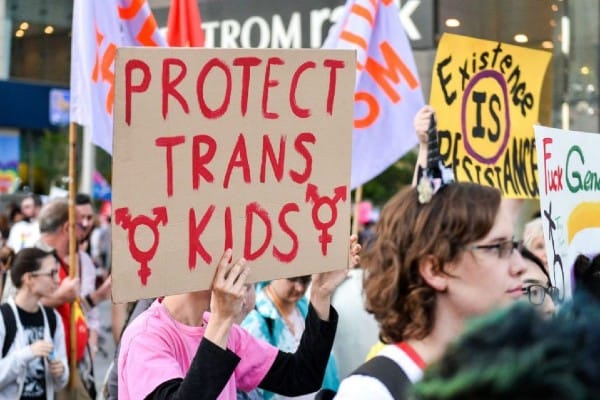
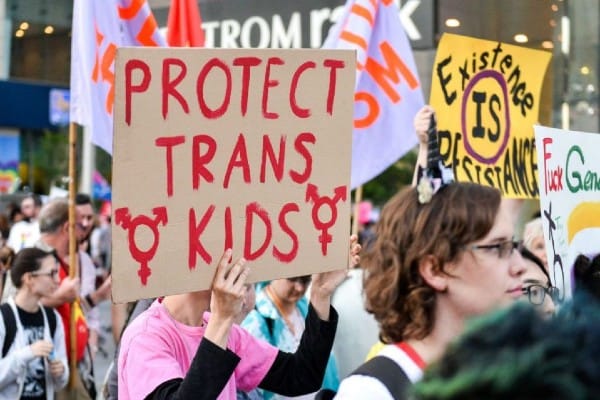
The American Civil Liberties Union (ACLU) and the Human Rights Campaign (HRC) have warned against the high number of anti-trans bills in the US, the majority of which aim to limit young trans people’s access to gender-affirming healthcare and school sports, saying it will have an adverse effect on the mental wellbeing of trans youth. Speaking to ABC News, Chase Strangio, deputy director for transgender justice at the ACLU, said: “I’ve been doing this work a long time, and frankly, never really seen anything like this, in terms of the nature of the rhetoric and the sweeping nature of the bills.”
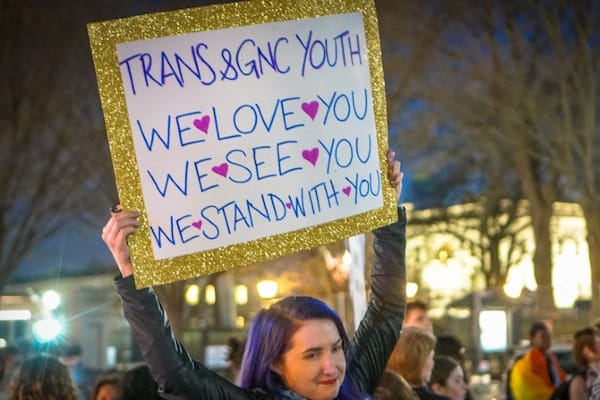
Strangio said at least 24 states have now introduced bills which aim to ban young trans athletes from participating in school sports. Kate Oakley, state legislative director and senior counsel for the HRC, described the bills as “invalidating”, and said they are “trying to isolate them [trans youth] and prohibit them from accessing care”. She also said bills against trans healthcare “inventing” a problem that does not exist, as puberty blockers do not make permanent changes to young people’s bodies and can be “life-saving.”
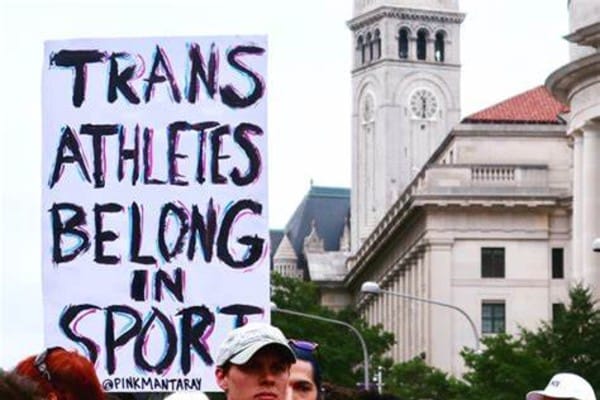
Despite the warnings against anti-trans bills, South Dakota is due to pass a bill against trans athletes, with state governor Kristi Noem saying she intends to sign it, tweeting: “In South Dakota, we’re celebrating International Women’s Day by defending women’s sports! I’m excited to sign this bill very soon.” Although a handful of US politicians have insisted the bills are designed to protect women, a recent study found trans participation in sports poses no threat to cisgender youth, suggested anti-trans rhetoric relies on “scare tactics, stereotypes, and unwarranted claims that transgender women have a physiological advantage over cisgender women.”
Support independent LGBTQ+ journalism
Scene was founded in Brighton in 1993, at a time when news stories about Pride protests were considered radical. Since then, Scene has remained proudly independent, building a platform for queer voices. Every subscription helps us to report on the stories that matter to LGBTQ+ people across the UK and beyond.
Your support funds our journalists and contributes to Pride Community Foundation’s grant-making and policy work.
Subscribe today

Comments ()