

A Trans Survivor’s Call for Trans-Inclusive Domestic Violence Services: A Personal Perspective
For me, accessing trans-inclusive support services was not just about finding refuge from the violence; it was about reclaiming my dignity, my identity, and my sense of worth as a transgender individual.
A Trans Survivor’s Call for Trans-Inclusive Domestic Violence Services: A Personal Perspective
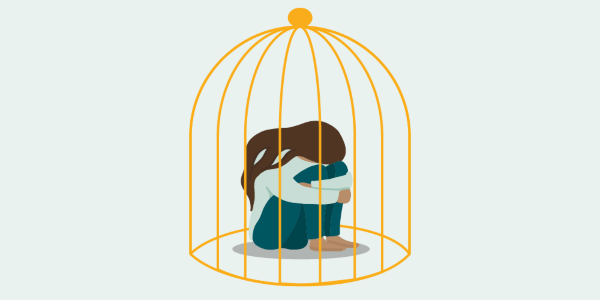
As a transgender individual living in Sussex navigating the complexities of domestic violence has been an uphill battle filled with fear, uncertainty, and isolation. My journey as a survivor of domestic violence has underscored the critical need for support services that are trans-inclusive and affirming, provided by LGBTQ+ groups and practitioners who understand the unique challenges faced by transgender individuals.
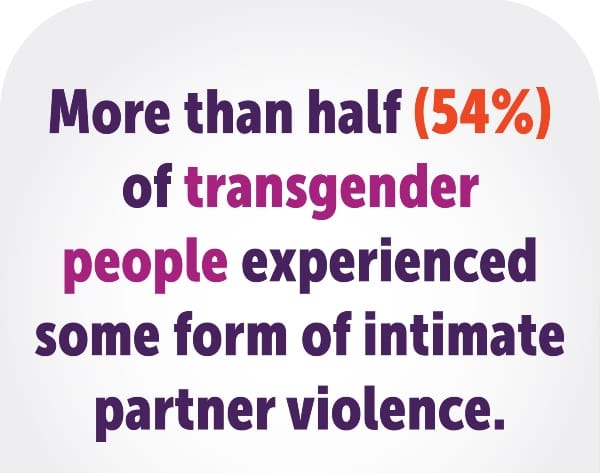
My experience with domestic violence began in an ordinary apparently loving relationship . But within months the relationship turned toxic, marked by emotional abuse, manipulation, and threats of violence. As a trans person, I faced additional layers of vulnerability and fear, knowing that disclosing my gender identity could further escalate the abuse.
When I finally found the courage to seek help, I reached out to mainstream domestic violence services, hoping to find support and safety. But I encountered ignorance, discrimination, and a lack of understanding of transgender identities. Being misgendered, invalidated, and dismissed by service providers only deepened my sense of isolation and despair.
It was at my lowest point that I discovered the invaluable support provided by our local LGBTQ+ organizations and practitioners. When i managed to talk to an LGBTQ identified support worker I was met with compassion, respect, and understanding of my unique experiences as a transgender survivor. The LGBTQ+ support groups provided a safe space where I could share my story without fear of judgment, where my gender identity was affirmed, and where I received the support and resources I desperately needed. I felt seen, understood and didn’t’ need to ‘explain’ everything every time I met a new worker.

Accessing trans-inclusive support services was not just about finding refuge from the violence; it was about reclaiming my dignity, my identity, and my sense of worth as a transgender individual. The LGBTQ+ advocates and practitioners who supported me understood the intersections of gender identity, sexual orientation, and domestic violence, offering tailored assistance that addressed my specific needs and concerns.
My long struggle to a place of safety and personal emotional recovery has reinforced the importance of trans-inclusive domestic violence services provided by LGBTQ+ organizations and practitioners. It is not enough to merely acknowledge the existence of transgender survivors; we must actively prioritize their safety, well-being, and dignity by ensuring that support services are accessible, affirming, and culturally competent. Only by being truly ‘seen’ can I be understood as a whole person.
It’s clear there is a real need for dedicated domestic violence services that centre the experiences of trans individuals and are provided by TNBI & LGBTQ+ groups and practitioners. As a survivor, I urge policymakers, funders, and service providers to listen to the voices of trans survivors, to invest in trans-inclusive support services, and to create a world where no one is left behind in their journey to healing and justice.
Support independent LGBTQ+ journalism
Scene was founded in Brighton in 1993, at a time when news stories about Pride protests were considered radical. Since then, Scene has remained proudly independent, building a platform for queer voices. Every subscription helps us to report on the stories that matter to LGBTQ+ people across the UK and beyond.
Your support funds our journalists and contributes to Pride Community Foundation’s grant-making and policy work.
Subscribe today
Comments ()