

ALL MY EX LOVERS ARE DEAD Brighton Fringe
For queer audiences, those of us who have assembled our own private archaeology of former selves and former lovers, and who have learned to laugh at the catalogue even while mourning it, this show offers the specific consolation of recognition


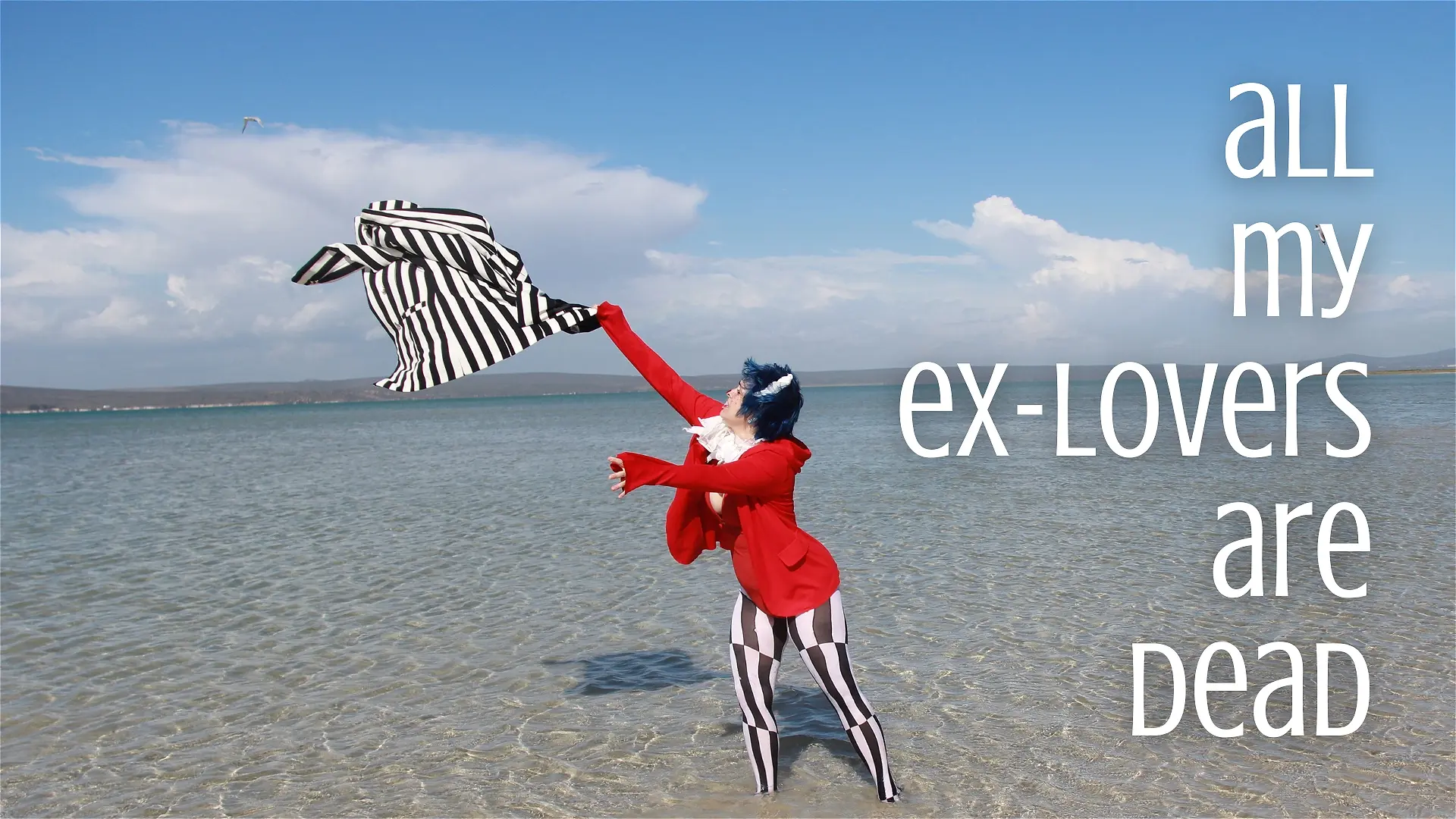
There is a passage in Elizabeth Smart's By Grand Central Station I Sat Down and Wept, that fever-dream prose poem of devastating romantic obsession, where the narrator describes love not as arrival but as permanent, irreversible alteration: to have loved is to have been geologically changed, the landscape of the self rearranged without consent and without possibility of restoration. It is a book that refuses the categories of before and after, insisting instead on the continuous present tense of longing. All My Ex Lovers Are Dead is a less operatic piece than Smart's incandescent novella, considerably less operatic, in fact, and frequently and deliberately funnier, but it shares something essential with it: the understanding that the people we have loved do not leave. They become structural. They become weather.
There is also, elsewhere in the tradition, e.e. cummings, that most tenderly anarchic of American poets, whose love lyrics operate through a similar dissolution of the self-and-other boundary. Where Smart burns, cummings aches with a trembling, specific vulnerability. His beloved is never entirely fixed, never entirely resolved into a stable gender or a stable category. The emotional register of this solo show from Dara Beth carries something of that quality: a love story told in soft focus, its subjects gently unspecified, its grief belonging to no single orientation but radiating outward to anyone who has ever stood in the wreckage of something that mattered. Queerness here is atmospheric. It lives in the texture of the telling, and in this production, that texture is predominantly comic. This is a show that earns its tender moments because it has spent the preceding minutes making you gently laugh.
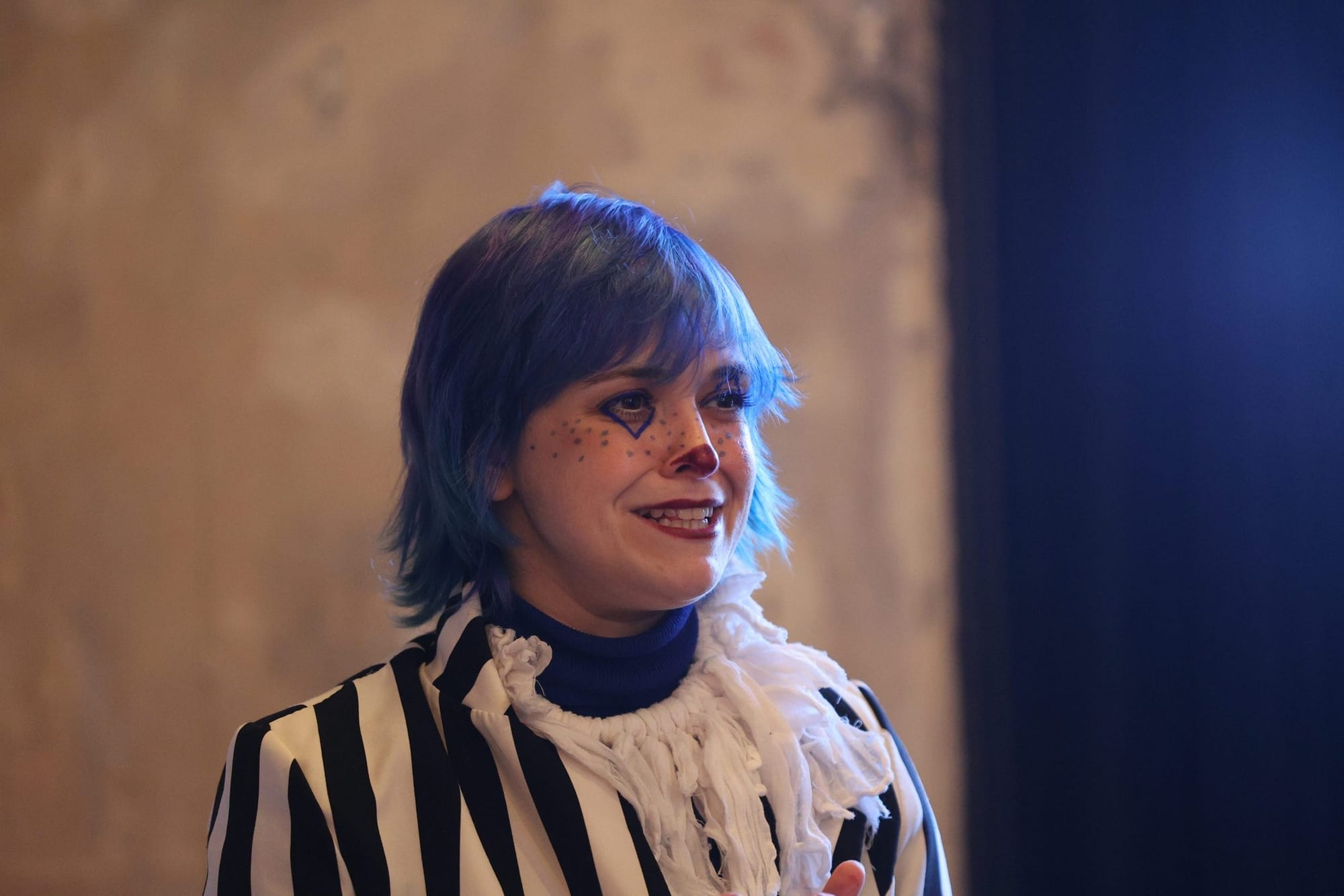
The telling, at its best, is genuinely accomplished. The show delivers a full hour of confessional storytelling, threading together romantic memories, the particular comedy of bad decisions made in good faith, and the quiet desolation of being the last person left in a room you once shared. The humour is structural rather than decorative, the mechanism by which more painful recollections become survivable, and the performer wields it with assurance. Wit and vulnerability are kept in productive tension throughout, each sharpening the other. That is precisely where solo performance of this kind should aspire to operate.
What the show did not need was an annoying electrical fan, cutting in at irregular intervals like an overheated laptop in its terminal throes. In a show so reliant on accumulated atmosphere, it landed most reliably during the quieter, more intimate passages. The comedy, being more robust, survived these incursions more easily than the vulnerability did.
There was also the matter of the Polaroid camera. At several points across the hour, the performer produced a small instant camera and snapped photographs of apparently randomly selected audience members. The images emerged in miniature, were briefly regarded, and then...nothing. No return to them. No pay-off. I waited, with genuine interest, for the images to mean something. They did not, or at least not visibly so. It is a gesture that asks a question the performance declines to answer, and in a show otherwise so committed to following through on its emotional logic, it registers as a curious loose thread.
Where the show is additionally less sure-footed is in its cultural register. The piece occasionally feels composed somewhere considerably further than England, its emotional vocabulary shaped by a sensibility that sits at a slight transatlantic remove. A handful of Brighton gestures are folded in, a nod to a local landmark, but they have the quality of performed local knowledge: affectionate, unconvincing, souvenirs purchased rather than retrieved from memory.
The accent is a small geographical adventure in itself; setting out in the vicinity of Received Pronunciation, migrating mid-Atlantic, making a warm and distinctly audible detour through Durban (?) before drifting back again, a marble on a slightly tilted table, adding an unintended but oddly resonant layer of displacement to a show already preoccupied with the things we carry from one life to the next. It is the one element of the production that rivals the fan for restless movement.
None of which ultimately diminishes what the performance is reaching for, and in large part achieving. Brighton has long understood that the most interesting work about the heart happens in small rooms, without scenery, by someone willing to stand in the light and say: this happened, and I have not entirely recovered, and I am not certain I want to. Smart's narrator would recognise that posture. So would cummings' trembling lover, refusing grammar, refusing resolution. For adult queer audiences, those of us who have assembled our own private archaeology of former selves and former lovers, and who have learned to laugh at the catalogue even while mourning it, this show offers the specific consolation of recognition, and I rather enjoyed it.
The fan will stop. The Polaroids may yet find their meaning. The tender vulnerable comedy delivered touch perfect by writer/actor Dara Beth, in the meantime, carries the night.
All My Ex Lovers Are Dead plays as part of Brighton Fringe 2026. Full info, cast and creative credits via brightonfringe.org
Scene was founded in Brighton in 1993, at a time when news stories about Pride protests were considered radical.
Since then, Scene has remained proudly independent, building a platform for queer voices. Every subscription helps us to report on the stories that matter to LGBTQ+ people across the UK and beyond.
Your support funds our journalists and contributes to Pride Community Foundation’s grant-making and policy work.

Member discussion